Illustrative research workflow
Explore now
Explore olfactory glial organization
Which OLF Astro-OLF NN cells should be carried into a neighborhood analysis?
Scientific context
OLF and 320 Astro-OLF NN identify a source-bounded glial cohort in the public atlas.
The cell-only close view provides a legible local cell distribution as input to a later neighborhood analysis; it does not itself establish neighborhoods.
A careful workflow
- Set Display limit to 100,000 through the Explorer UI.
- Apply the recorded source filters and review displayed versus matching counts.
- Inspect provenance before export or downstream interpretation.
Live Explorer walkthrough
What the current app shows
These are browser captures of the public Allen MERFISH release in NeuroViz. Open this captured cohort in Explorer.
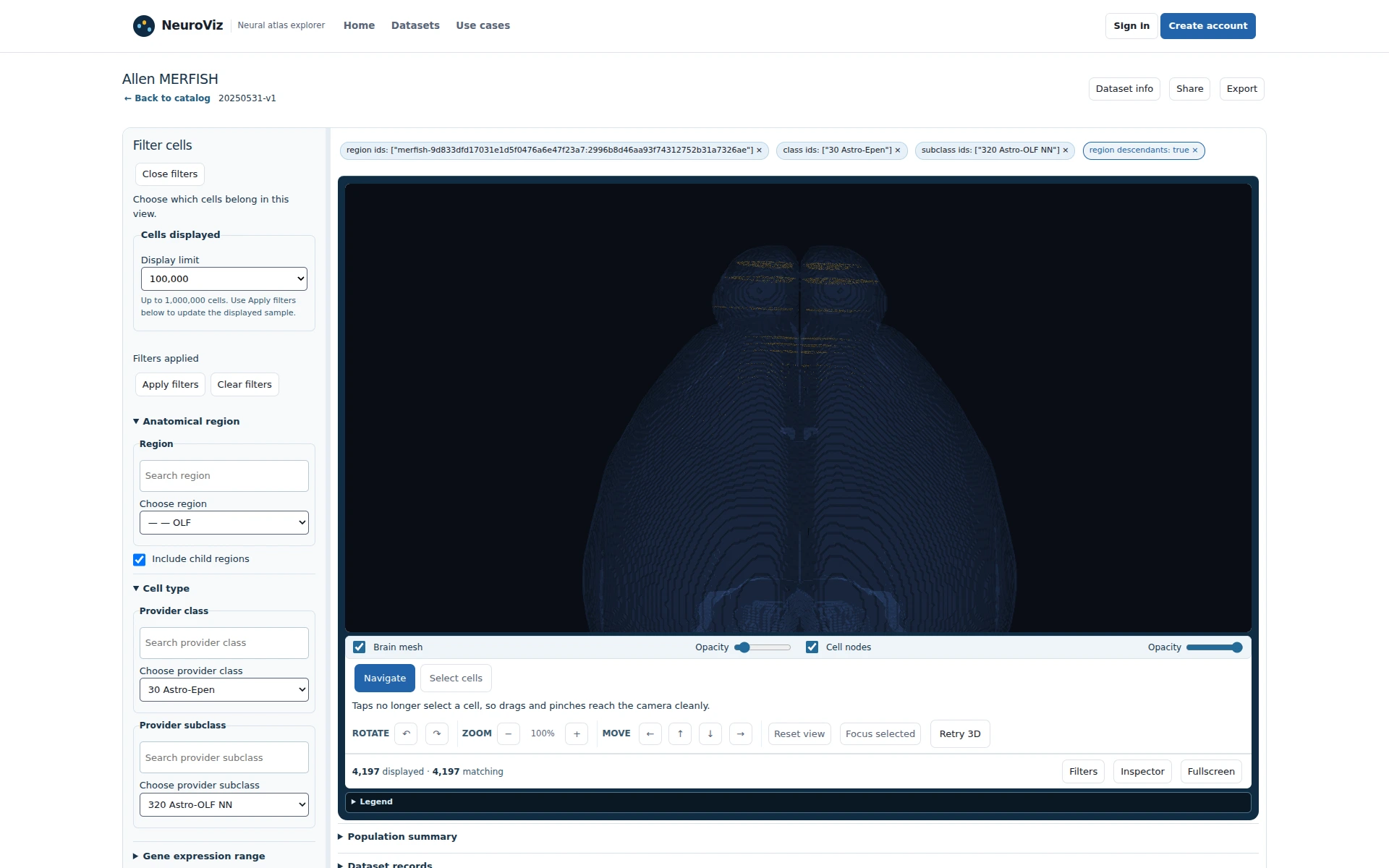
Figure 1Apply OLF and Astro-OLF NN at 100,000. The source filters define the glial cohort.
OLF Astro-OLF NN provides glial context without a neighbor claim. Click to enlarge.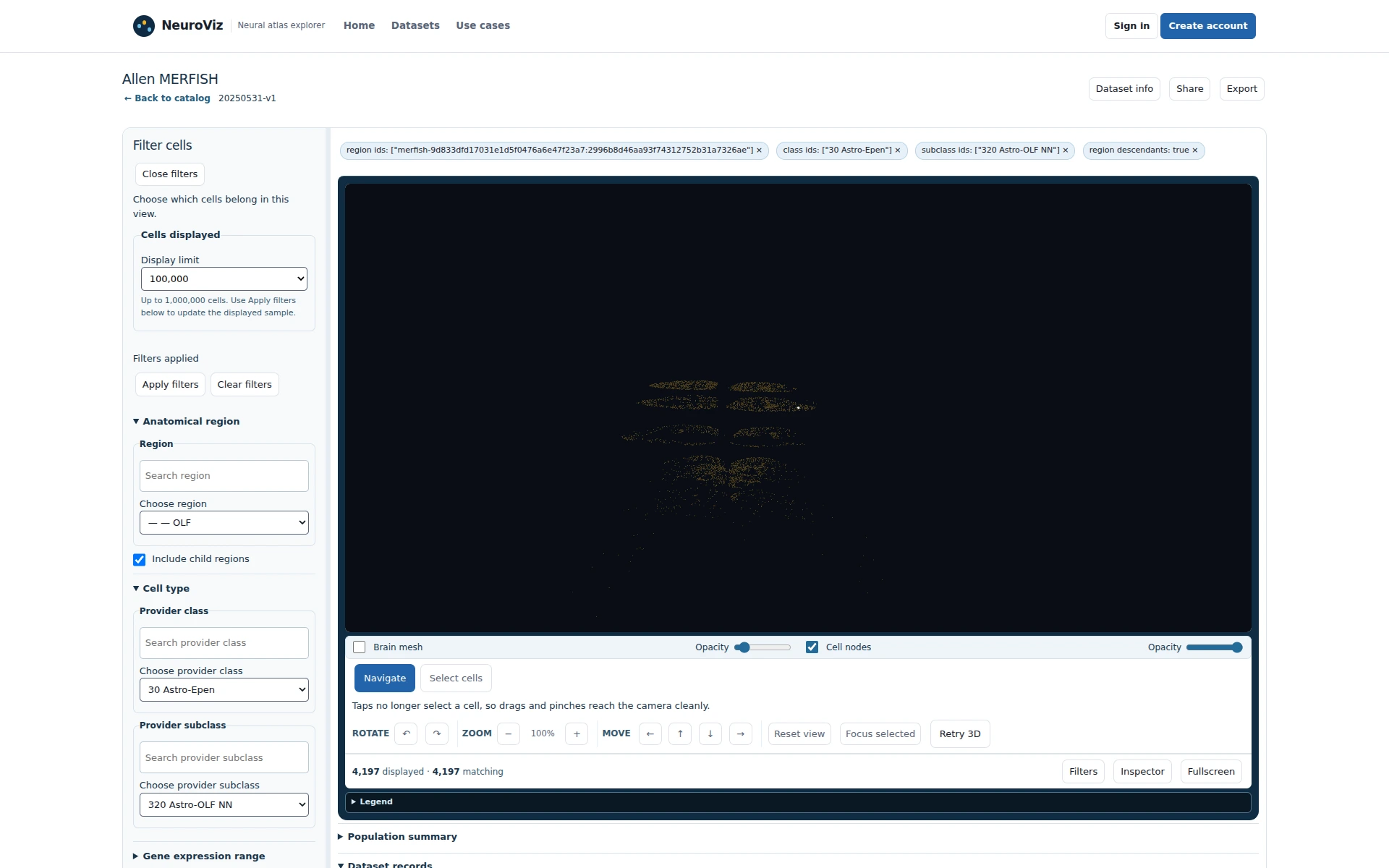
Figure 2Turn off the brain mesh, focus a selected cell, then zoom out. The capture shows the selected local cell distribution without claiming neighborhoods.
With the brain mesh off, the focused cell-only view preserves the selected OLF glial distribution as input to later analysis. Click to enlarge.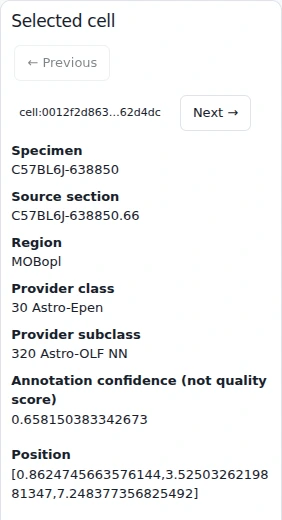
Figure 3Inspect a glial record. Coordinates and source section are available.
Record provenance preserves section and coordinates. Click to enlarge.
Scope
These captures describe the public release and support cohort definition and record review; quantitative validation remains a downstream analysis step.
Useful deliverable
An olfactory glial cohort with source section and coordinates.
Current capability and extensions
Explorer supports spatial selection and record inspection.
Meaningful pilot success criteria
A later analysis can specify distance, section handling, and a null model.